
Ukrainian Diplomat Calls for Stronger Security Commitments Beyond NATO-Style Guarantees
Section: Politics
The Kyoto city administration announced plans to implement a significant increase in its lodging tax, which will affect visitors staying in hotels and various types of accommodations. Starting in March 2026, the new tax structure will see a maximum charge of 10,000 yen (approximately $64) per person per night.
The revised rates will fall within a range of 200 yen to 10,000 yen, a stark contrast to the existing rates that vary from 200 yen to 1,000 yen. This newly established maximum rate will set a record among municipal lodging taxes in Japan, as confirmed by the Ministry of Internal Affairs and Communications.
Kyoto's previous lodging tax system, introduced in 2018, utilized a three-tiered approach. Under this system, guests paying for accommodations below 20,000 yen per night were taxed 200 yen, while those staying in rooms priced at 50,000 yen or higher faced a tax of 1,000 yen.
The upcoming tax structure will see a reorganization into five tiers. For accommodations costing less than 6,000 yen per night, guests will incur a tax of 200 yen. For rooms priced between 6,000 and 20,000 yen, the tax will increase to 400 yen. Stays costing 20,000 yen or more but less than 50,000 yen will incur a 1,000 yen tax, while accommodations priced from 50,000 to just under 100,000 yen will see a tax of 4,000 yen. The highest tier will apply a tax of 10,000 yen for any lodging costing 100,000 yen or more per night.
This adjustment in tax rates is projected to boost the city's lodging tax revenue from approximately 5.2 billion yen in fiscal 2023 to around 12.6 billion yen annually. The city government intends to allocate these additional funds towards initiatives that will bolster the tourism sector and enhance disaster preparedness efforts for both tourists and local residents.
As of now, 11 municipalities across Japan have implemented lodging taxes, with some utilizing a flat rate system. For instance, in Hokkaido's Kutchan, which is known for the popular Niseko ski resort, a tax rate of 2 percent is applied to accommodations.
As Kyoto continues to balance its rich cultural heritage with the demands of modern tourism, the introduction of this revised lodging tax reflects a strategy aimed at sustaining both the city's economy and its longstanding traditions.
Section: Politics

Section: News

Section: News
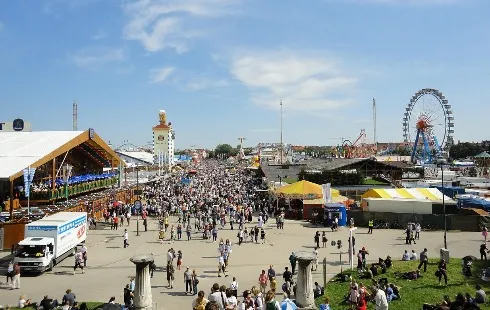
Section: News

Section: Arts

Section: News

Section: News

Section: News

Section: News

Section: News
Both private Health Insurance in Germany and public insurance, is often complicated to navigate, not to mention expensive. As an expat, you are required to navigate this landscape within weeks of arriving, so check our FAQ on PKV. For our guide on resources and access to agents who can give you a competitive quote, try our PKV Cost comparison tool.
Germany is famous for its medical expertise and extensive number of hospitals and clinics. See this comprehensive directory of hospitals and clinics across the country, complete with links to their websites, addresses, contact info, and specializations/services.
Join us at the Kunstraum in der Au for the exhibition titled ,,Ereignis: Erzählung" by Christoph Scheuerecker, focusing on the captivating world of bees. This exhibition invites visitors to explore the intricate relationship between bees and their environment through various artistic expressions,...



No comments yet. Be the first to comment!